
Why berries are so colourful: anthocyanins and nutrition, simply explained
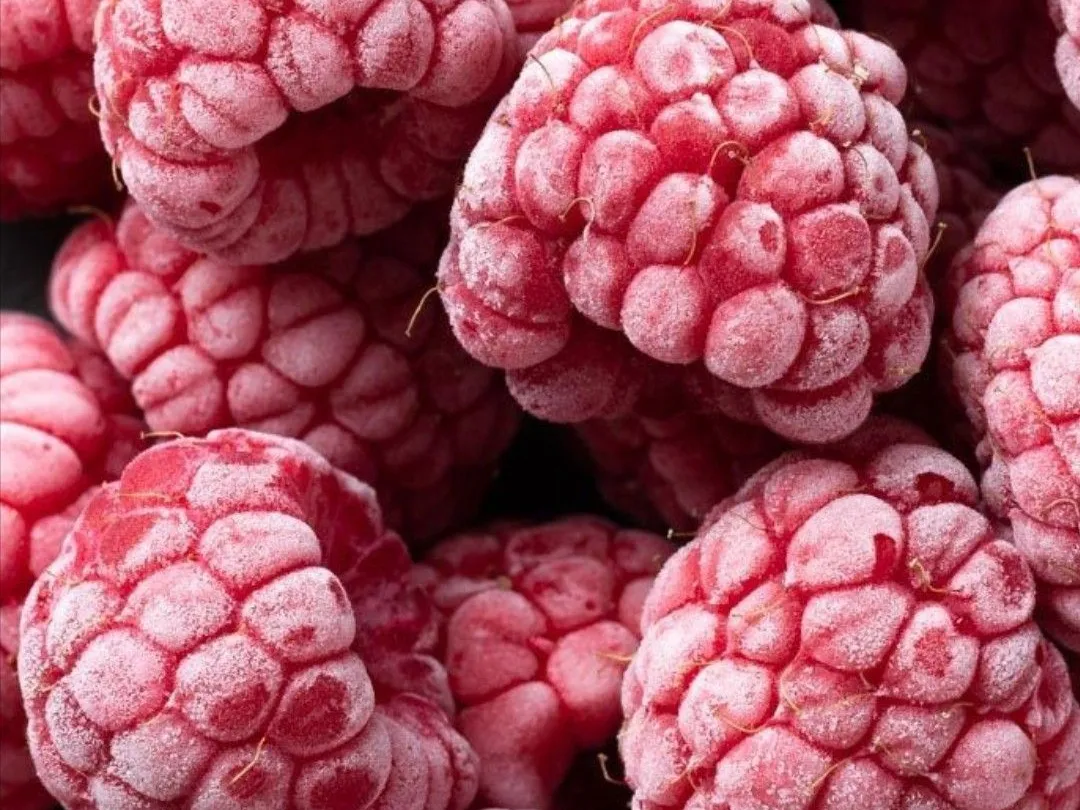
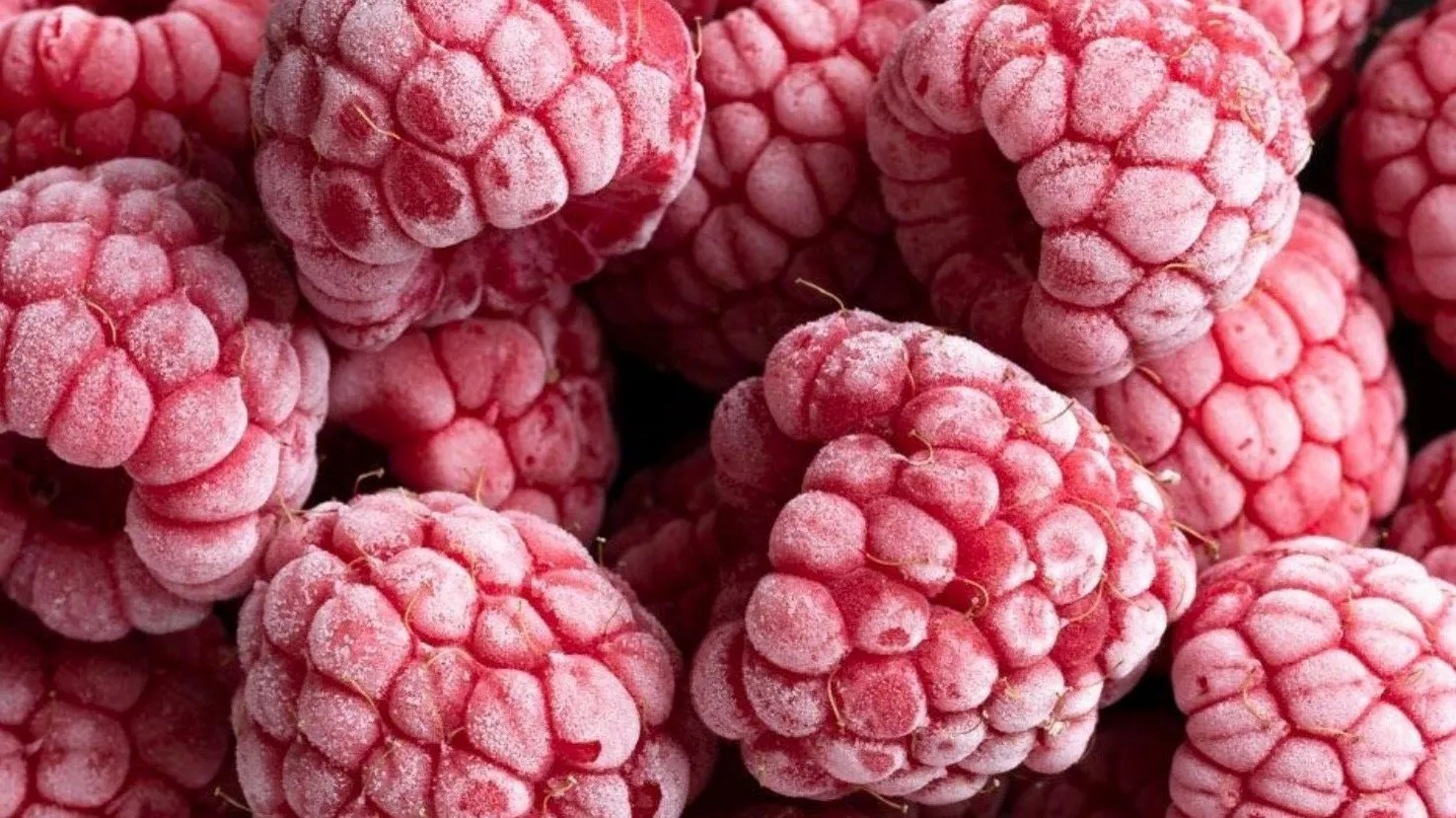
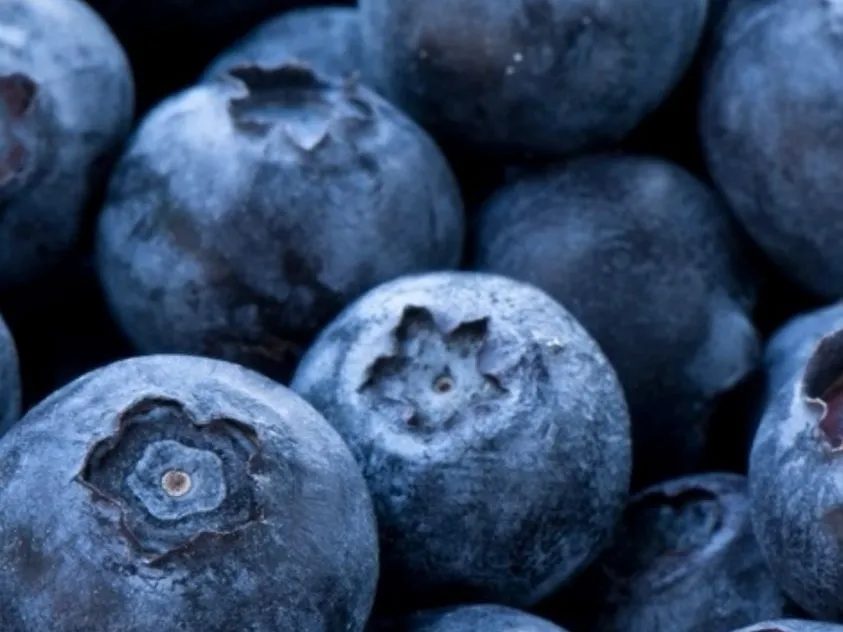
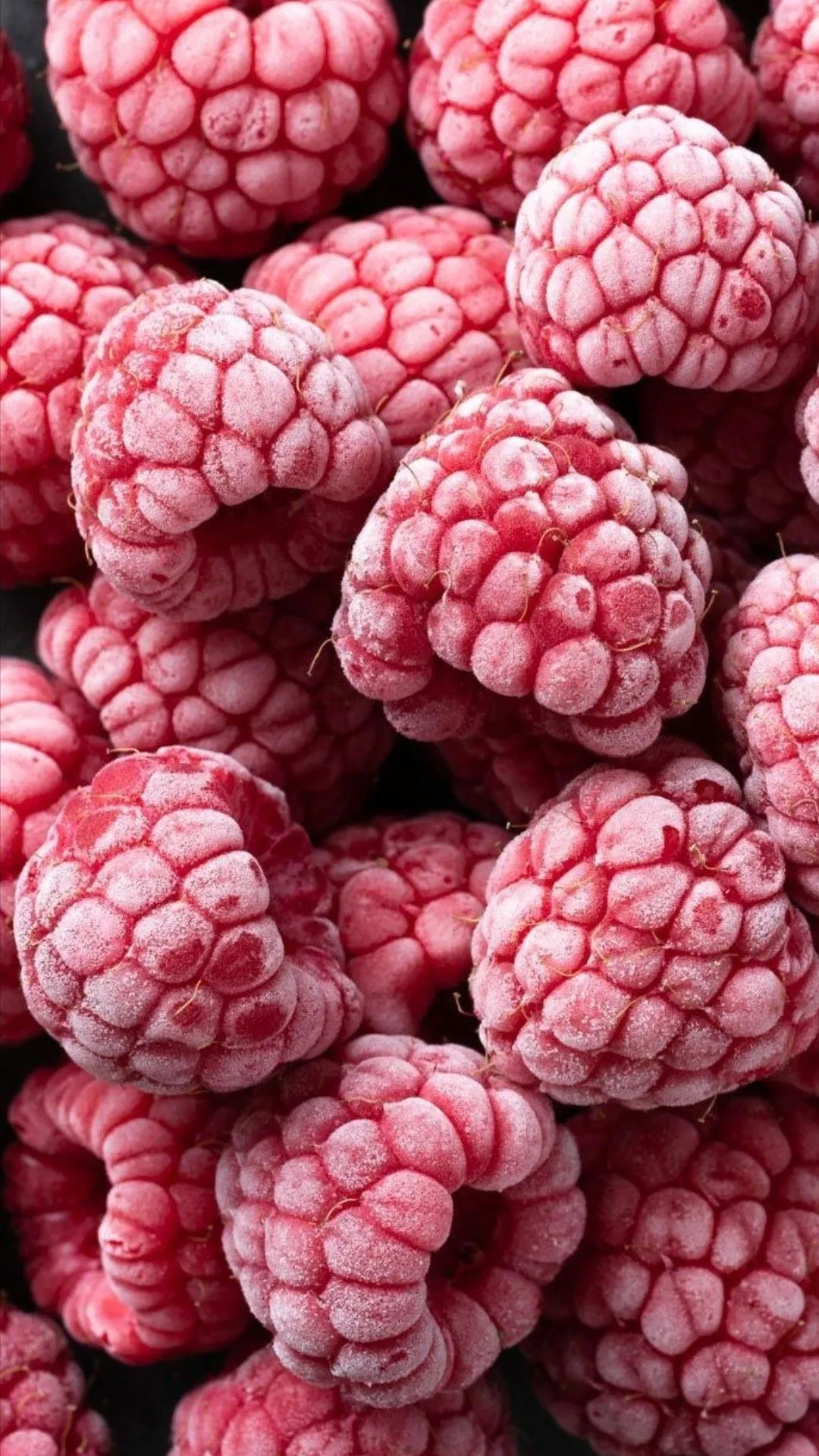
Raspberries, blueberries, blackberries and pomegranate seeds all share strong colours. Those reds, blues and purples come from natural plant pigments called anthocyanins. They are the same pigments that stain your fingers, your chopping board and, sometimes, your cake batter.
What are anthocyanins?
Anthocyanins belong to a large family of plant compounds called flavonoids. Plants use them for colour and protection. Scientists study them because diets rich in fruit and vegetables are linked with better health, but no single fruit is a cure, and berries work best as part of a varied diet.
Colour changes with acidity
Anthocyanins are red in acidic conditions and turn blue, purple or even green-grey as conditions become less acidic. That is why a squeeze of lemon makes a berry sauce brighter, and why blueberries can turn greenish in some cake batters that contain a lot of baking soda. Our baking guide shows how to avoid it.
What else is in berries?
Berries are mostly water, with natural sugars, fibre and vitamin C. Raspberries and blackberries are especially high in fibre because of their many small seeds. For exact numbers per 100 g, you can search any fruit in the USDA FoodData Central database.
Does freezing affect nutrition?
Freezing quickly after harvest keeps most of the nutrients and the colour. What causes losses is long storage at the wrong temperature, thawing and refreezing, and long cooking. To keep berries at their best:
- store them at -18°C or colder (see how to store frozen berries);
- use them frozen in smoothies and baking when you can;
- cook sauces briefly and add lemon at the end for colour.
Read more in frozen vs fresh berries and blueberries: nutrition and uses. The NHS explains why fruit and vegetables matter in a simple way.
Explore our frozen blueberries, blackberries and raspberries.