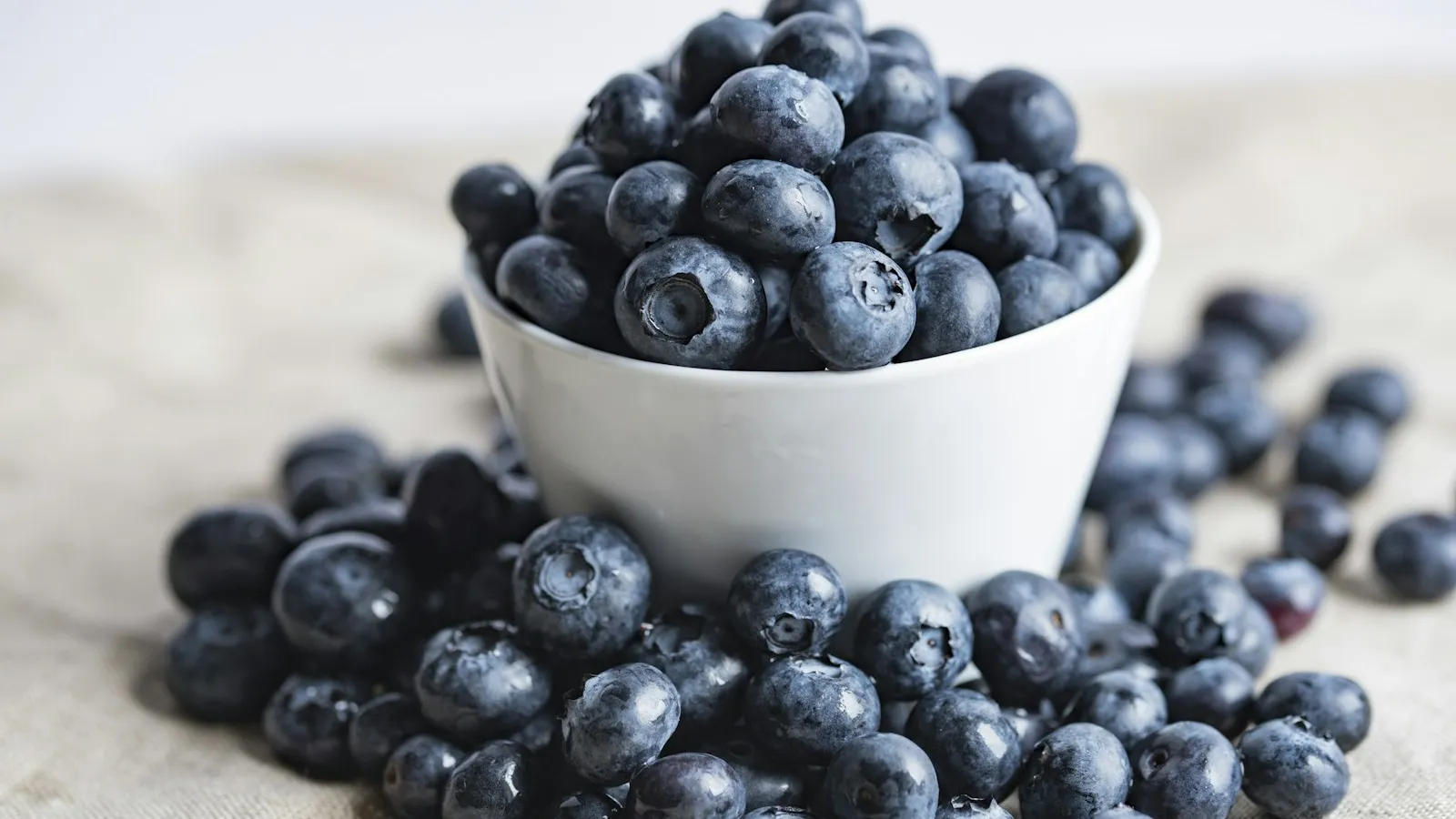

Frozen vs fresh berries: nutrition, cost and waste compared
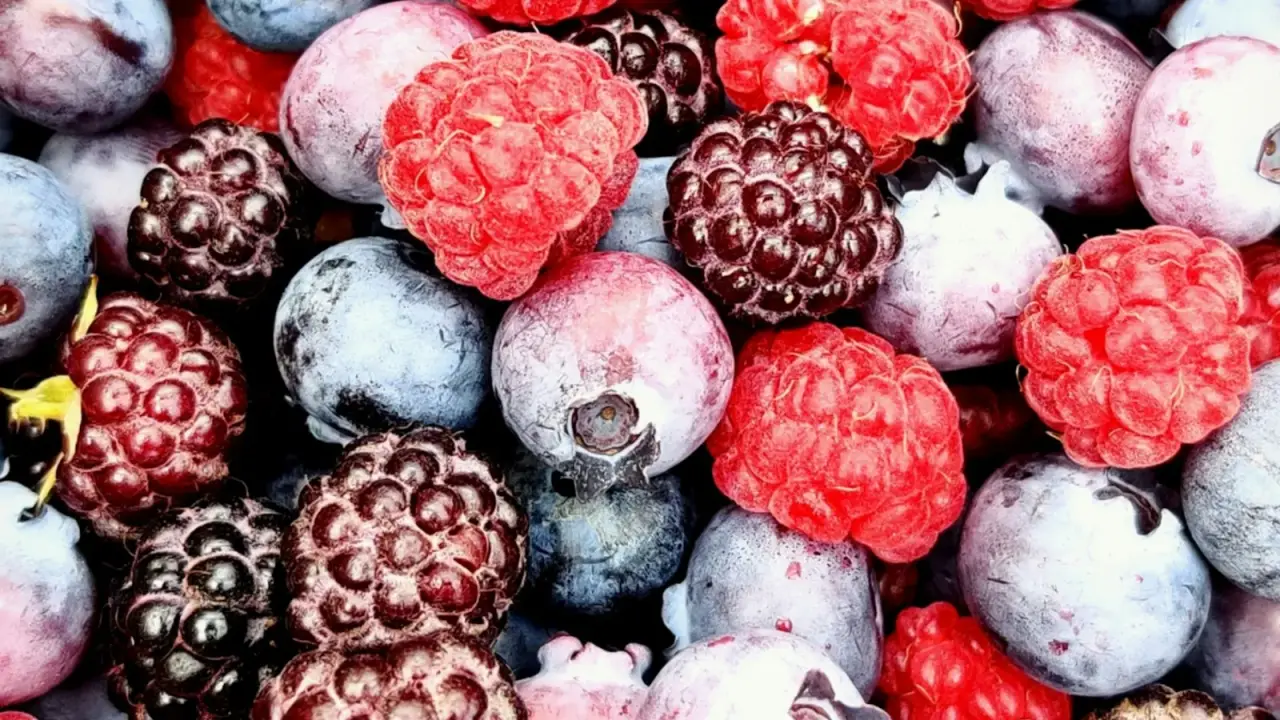
Fresh raspberries and blueberries are expensive in Egypt, available only part of the year, and very delicate. Frozen berries are picked ripe and frozen within hours. So which one should a café, bakery or family actually buy? The answer depends on how you use them.
Nutrition
Berries are valued for vitamin C, fibre and anthocyanins, the pigments behind their deep colours. Freezing quickly after harvest keeps most of these. Fresh berries, on the other hand, lose vitamin C every day they spend in transport and on shelves. You can compare nutrients yourself in the USDA FoodData Central database, which lists both fresh and frozen berries.
Price per usable kilo
The shelf price is not the real price. What matters is how much of what you buy ends up on a plate.
| Fresh berries | Frozen berries | |
|---|---|---|
| Shelf life | 2 to 5 days in the fridge | Around 12 months at -18°C |
| Typical waste | Mould, bruising, overripe fruit | Almost none if stored well |
| Availability | Seasonal, often imported | All year, same quality |
| Prep time | Washing, sorting, hulling | Ready to use |
Where fresh still wins
- Decorating a plated dessert where the berry must look glossy and firm.
- Fruit platters and garnishes served raw.
Where frozen is the better choice
- Smoothies and frozen drinks: no ice needed, so the flavour is not diluted. See our berry smoothie menu.
- Sauces, coulis, jams and fillings.
- Muffins, cakes and pancakes, with the right technique from our baking guide.
- Smoothie bowls and yoghurt toppings.
A practical rule for kitchens
Use frozen berries for anything blended, cooked or baked, and keep a small amount of fresh fruit only for garnish. Most cafés we supply cut their berry cost and their waste at the same time with this split.
Browse our frozen fruit in 10 kg cartons or ask for wholesale prices.