
Freezer burn and ice crystals: how to keep frozen fruit quality high
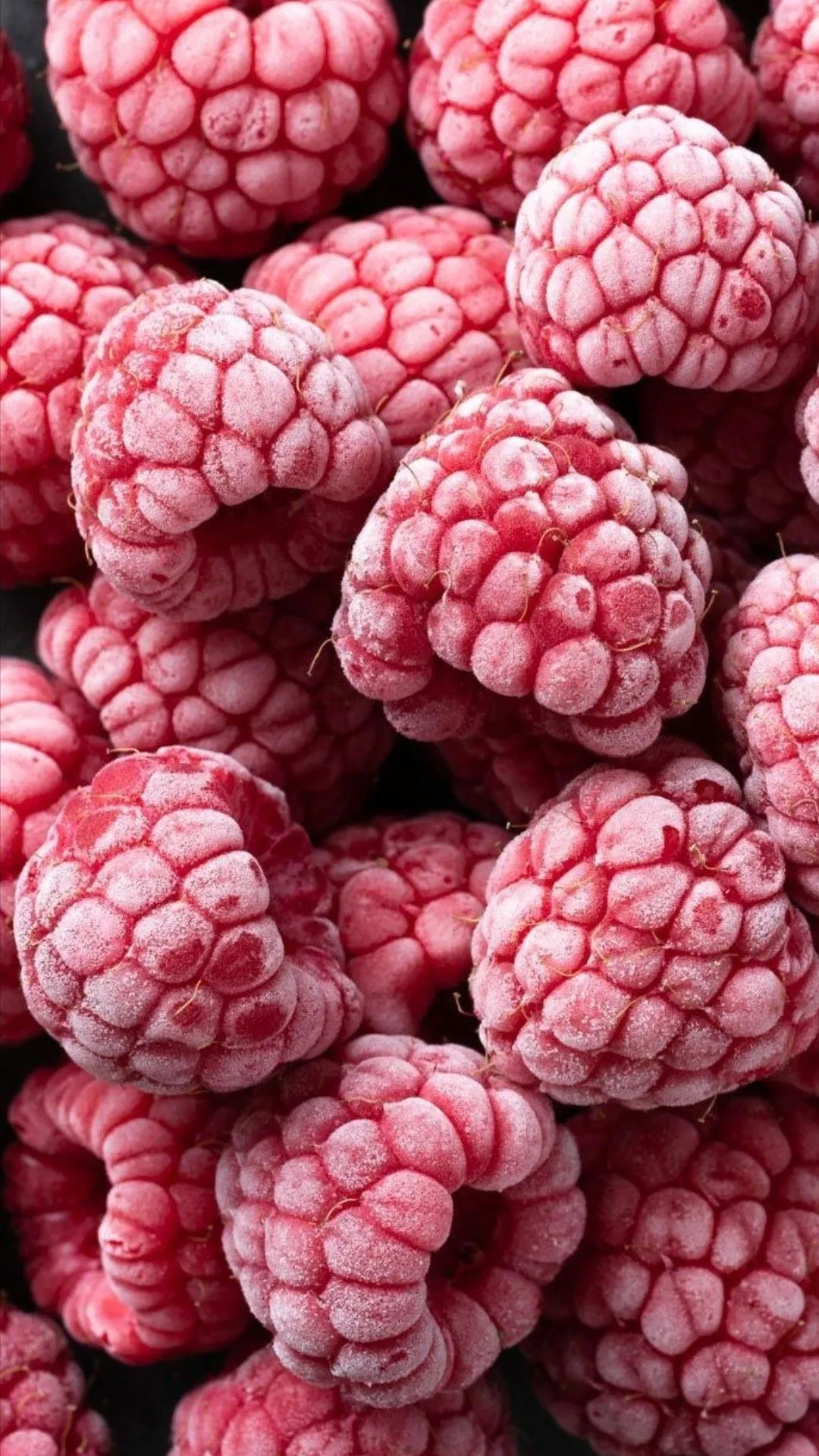
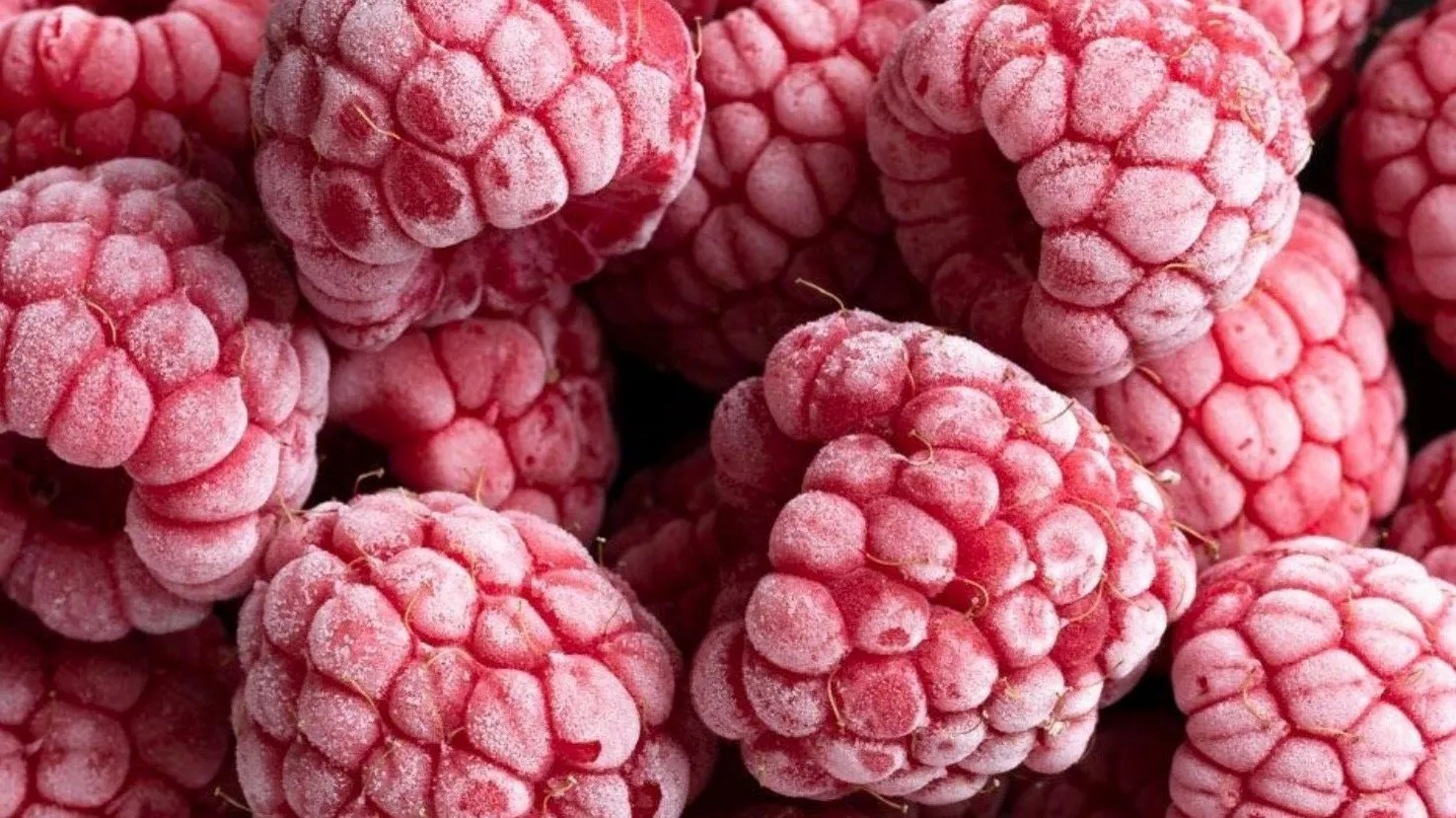
Open a bag of frozen berries and you should see loose, firm fruit with a light frost. If you see thick white crystals, pale dry patches or one solid block, something went wrong between the factory and your freezer.
What is freezer burn?
Freezer burn happens when frozen food loses moisture to the cold, dry air in the freezer. The surface of the fruit dries out and turns pale or leathery. It is a quality problem, not a safety problem: the fruit is safe to eat, but it can taste flat and feel tough. Cut away badly affected pieces or use them in cooked sauces.
Why ice crystals form
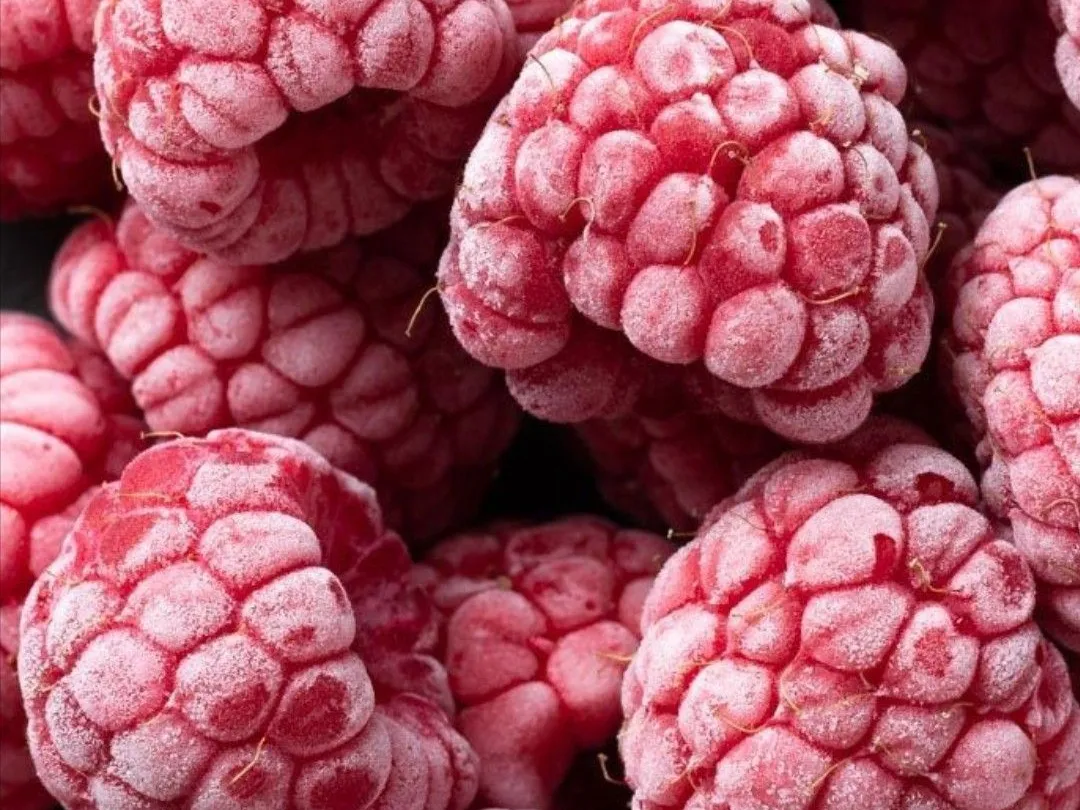
When the temperature goes up and down, a little water leaves the fruit, then freezes again as crystals inside the bag. Each cycle makes the crystals bigger. Lots of loose ice usually means the door was opened often, the freezer was overfilled with warm stock, or the fruit partly thawed during delivery.
When berries stick in a block
IQF berries are frozen one by one so they stay loose. If they arrive or turn into a solid block, they have thawed and refrozen. Check them carefully and talk to your supplier. Our spec sheet guide lists what to agree on before delivery.
Seven habits that protect quality
- Keep the freezer at -18°C or colder and check the thermometer daily.
- Move deliveries into the freezer immediately.
- Do not overload the freezer; cold air must circulate.
- Press the air out of opened bags and close them tightly.
- Use the oldest stock first (first in, first out).
- Keep the door closed; take out everything you need at once.
- Never refreeze berries that have thawed.
For the full routine, read how to store frozen berries and how to thaw them correctly. For the safety side, see frozen berries and food safety and the WHO food safety fact sheet.
Berry Egypt keeps its frozen fruit at -18°C or colder until it reaches you. Contact us with any question about delivery or storage.