
Blueberries: nutrition facts and the best ways to use them
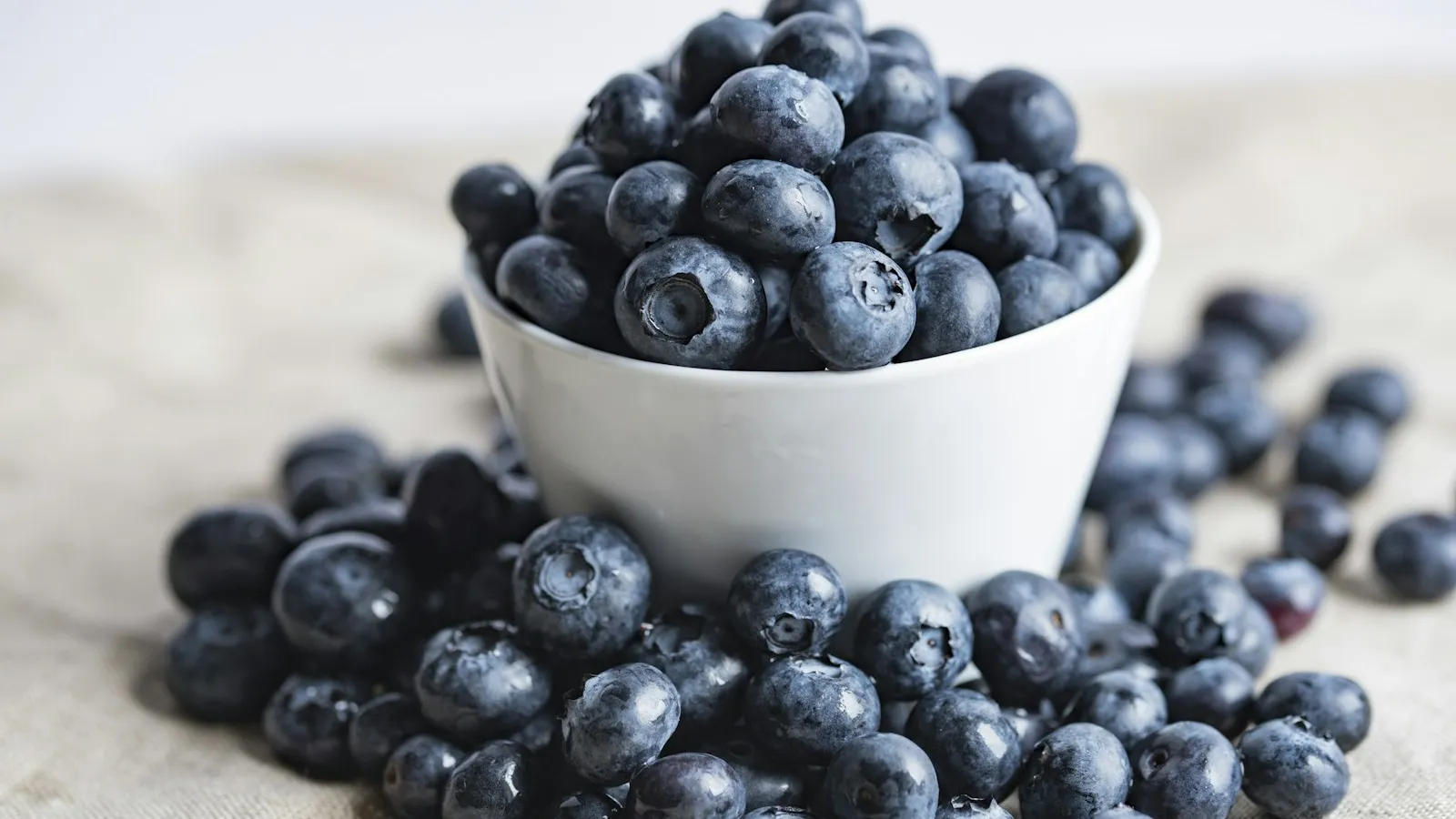
Blueberries have earned their reputation as one of the most popular fruits for healthy menus. They are easy to love: sweet, mildly tart and colourful. Here is what they bring, and how to get the most from frozen blueberries.
What blueberries contain
- Fibre that helps you feel full.
- Vitamin C and vitamin K.
- Anthocyanins, the natural pigments that give blueberries their deep colour and act as antioxidants.
- Few calories for a satisfying portion.
For an evidence-based overview of fruit and health, the Harvard Nutrition Source is a good, independent read. Exact nutrient values per 100 g are listed in USDA FoodData Central.
Are frozen blueberries as good?
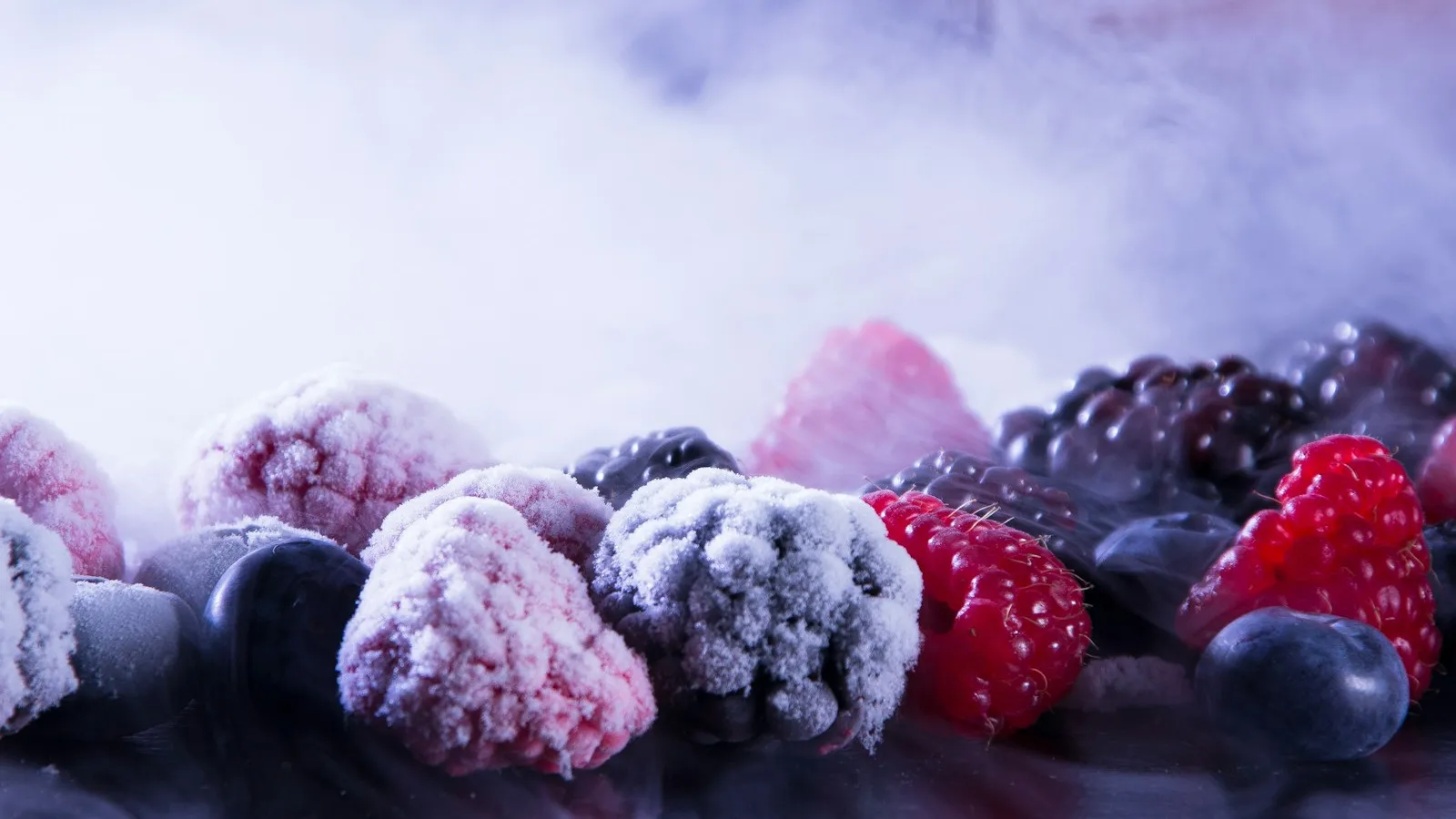
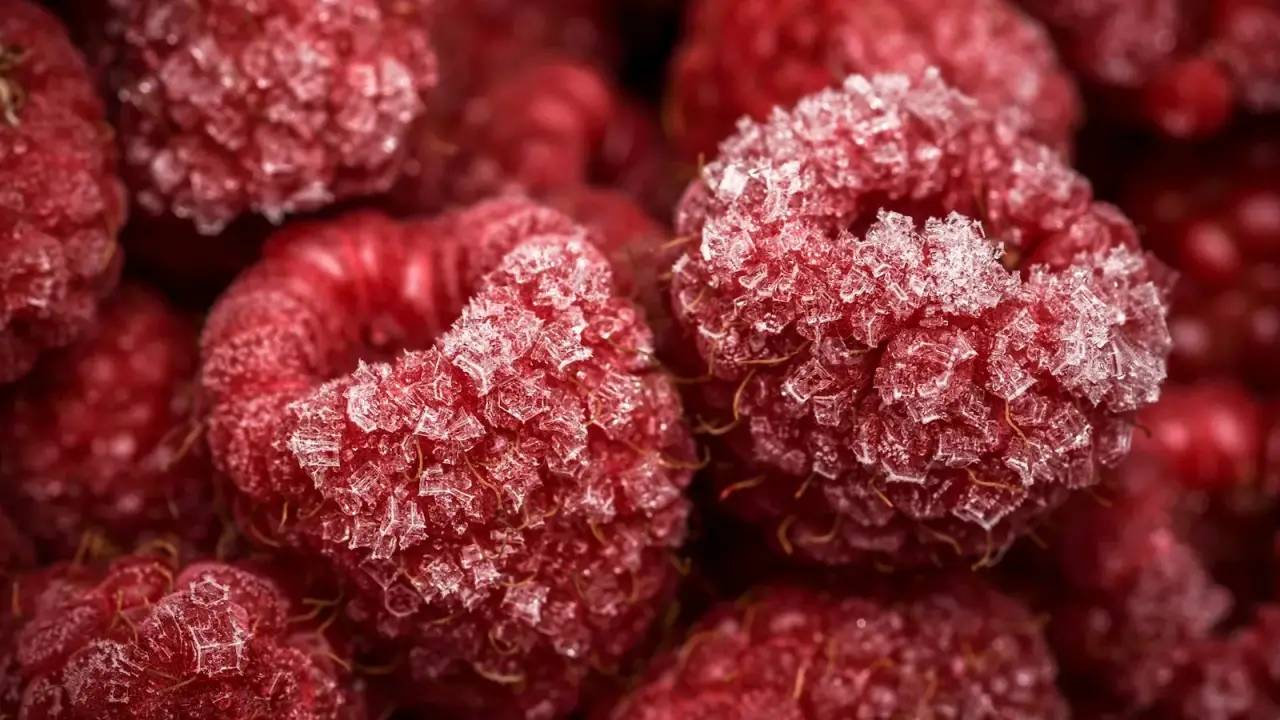
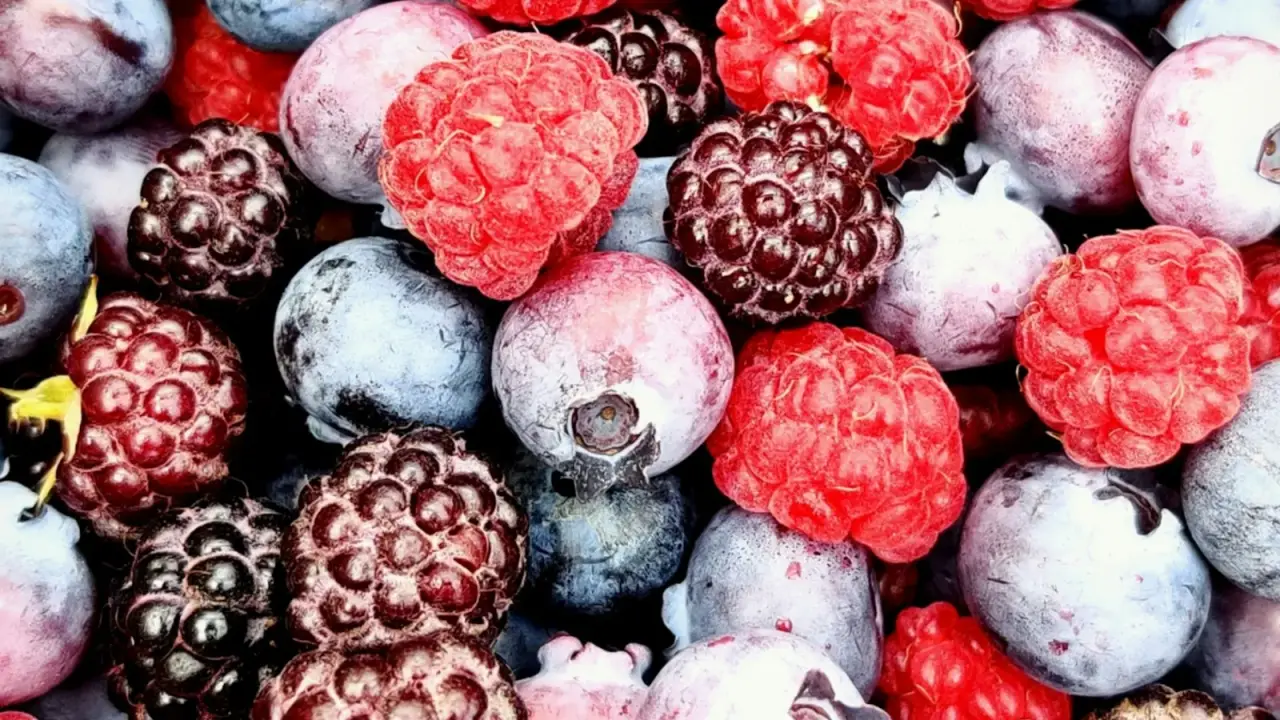
Yes. Blueberries frozen soon after harvest keep their nutrients and colour. They are often better than "fresh" fruit that travelled for days. Read our full comparison of frozen and fresh berries.
Best ways to use frozen blueberries
Breakfast
Stir a handful into hot oats at the end of cooking, or warm them for 2 minutes in a pan with a little honey to make a quick compote for pancakes and yoghurt.
Drinks
Blueberries give smoothies a deep purple colour. Blend 100 g with banana and yoghurt, or try the recipes in our berry smoothie menu.
Baking
Blueberry muffins are a classic. Keep the berries frozen and fold them in gently at the end, as explained in our baking guide.
A note for families
Whole blueberries can be a choking risk for very young children. Cut or mash them for toddlers.
Order blueberries in 10 kg cartons from our shop, or ask for wholesale prices.